

How Automation Improves Ad Performance & Lead Quality
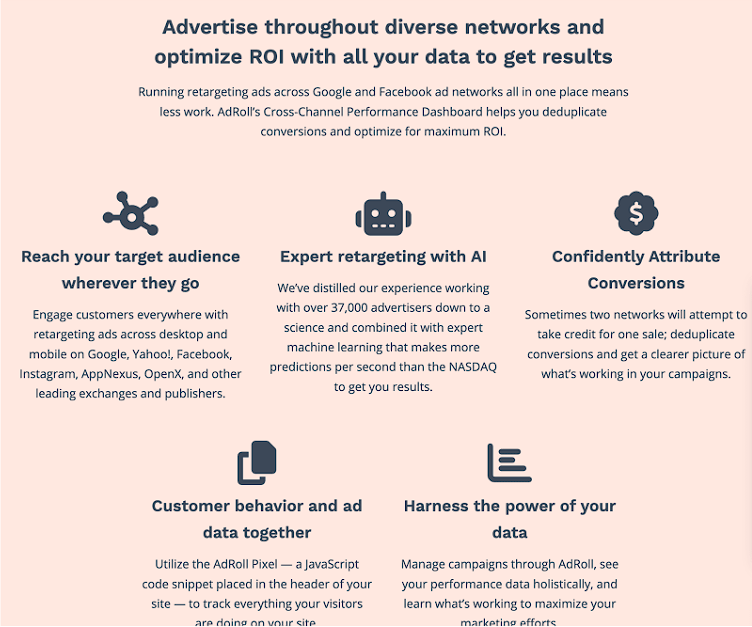
In modern digital advertising, success is no longer driven by manual control alone. Platforms like Meta and Google now rely heavily on automation and AI-driven systems to deliver better results. When used correctly, automation doesn’t reduce control—it enhances performance, efficiency, and lead quality.
Automation allows ad platforms to analyze massive amounts of data in real time, making smarter decisions than humans ever could at scale.
What Is Advertising Automation?
Advertising automation refers to the use of AI and machine learning to manage key aspects of ad campaigns, such as:
- Audience selection
- Ad delivery timing
- Budget allocation
- Creative optimization
- Conversion prediction
Instead of advertisers manually controlling every setting, platforms automatically optimize campaigns based on real user behavior and performance signals.
How Automation Improves Ad Performance
1. Smarter Audience Matching
Automation analyzes user behavior, interests, intent signals, and past actions to show ads to people most likely to convert, even if they don’t match traditional targeting criteria.
This results in:
- Lower cost per result
- Higher engagement rates
Better conversion probability
2. Real-Time Optimization
Automated systems constantly test and learn:
- Which creatives perform best
- Which placements convert better
- Which users are more responsive
Poor-performing elements are automatically reduced, while high-performing ones are scaled — something impossible to do manually at this speed.
3. Better Budget Allocation
Automation dynamically shifts budgets toward:
- High-performing ads
- Strong placements
- Users with higher purchase intent
This prevents wasted spend and improves overall ROI.
4. Faster Learning & Scaling
Automation dynamically shifts budgets toward:
- High-performing ads
- Strong placements
- Users with higher purchase intent
This prevents wasted spend and improves overall ROI.
How Automation Improves Lead Quality
1. Intent-Based Delivery
Automation prioritizes users who show real intent, not just interest. This reduces fake leads, low-quality inquiries, and irrelevant submissions.
2. Improved Conversion Signals
When campaigns are optimized for quality events (form completion, qualified leads, purchases), automation filters out users who are unlikely to complete meaningful actions.
3. Creative Relevance
Automated systems match the right creative to the right user, improving message relevance — which leads to more serious and informed leads.
Automation vs Manual Control (Quick Comparison)
Automated Ads |
Dynamic audience matching |
Real-time optimization |
AI budget allocation |
Continuous testing |
Higher intent leads |
Manual Ads |
Fixed targeting |
Slow optimization |
Budget guessing |
Limited testing |
Inconsistent lead quality |
Best Practices to Use Automation Effectively
To get the best results from automation:
- Use broad targeting
- Provide multiple creative variations
- Optimize for real conversion events
- Avoid frequent manual changes
- Let campaigns complete the learning phase
Automation works best when advertisers focus on strategy and creatives, not micromanagement.