

Product Listing on Amazon, Flipkart & Other Reputed Online Marketplaces
Online marketplaces have transformed the way products are bought and sold. Platforms like Amazon, Flipkart, and other reputed online selling platforms offer businesses instant access to millions of active customers. However, with intense competition across almost every category, success depends not just on the product quality but on how effectively the product is listed.
Product listing is a strategic activity that combines content, visuals, search optimization, and platform compliance. A professionally optimized listing increases visibility, builds trust, and directly impacts sales performance.
Understanding Product Listing in E-Commerce
Product listing refers to publishing a product on an online marketplace with complete and accurate information such as title, category, attributes, images, description, pricing, and tax details. Marketplaces rely on algorithms to decide which products appear in search results, similar to how search engines rank websites.
If a listing is incomplete or poorly optimized, the product may not appear for relevant customer searches. On the other hand, a well-structured listing improves discoverability and helps customers clearly understand the product, leading to higher conversions.
Why Product Listing Quality Matters
With hundreds of similar products available at comparable prices, customers make quick decisions based on clarity and trust. A strong product listing helps buyers feel confident before purchasing.
Key benefits of a quality product listing include:
- Higher visibility in marketplace search results
- Better click-through rate from search pages
- Improved conversion rate
- Reduced returns and negative reviews
- Better performance of sponsored ads
In contrast, poorly optimized listings often suffer from low impressions, wasted ad spend, and slow sales growth.
Essential Elements of a High-Performing Product Listing
1. SEO-Optimized Product Title
The product title is one of the most important ranking factors. It should clearly describe the product while including relevant keywords customers are likely to search for. A good title balances readability with search optimization and follows platform guidelines.
2. High-Quality Product Images
Images are the strongest visual selling tool in e-commerce. Since customers cannot physically examine the product, images play a critical role in building trust and influencing decisions.
Images are the strongest visual selling tool in e-commerce. Since customers cannot physically examine the product, images play a critical role in building trust and influencing decisions.
Effective product images:
- Use a clean white background
- Show multiple angles of the product
- Clearly display packaging and labels
- Include lifestyle or usage images where allowed
High-quality images significantly improve engagement and conversion rates.
3. Clear Bullet Points
Most online shoppers scan rather than read. Bullet points help communicate key information quickly and clearly.
Strong bullet points focus on:
- Key benefits of the product
- Important features or ingredients
- Usage instructions
- Suitable audience or use case
Clear bullet points reduce confusion and help customers make faster purchase decisions.
4. Detailed Product Description
The product description provides complete clarity about what the product offers. It should answer common customer questions, explain benefits, and set accurate expectations.
A well-written description:
- Builds customer confidence
- Supports internal marketplace SEO
- Reduces misunderstandings and returns
- Improves overall listing quality
Descriptions should be informative and customer-focused rather than overly promotional.
Platform-Specific Listing Considerations
Amazon
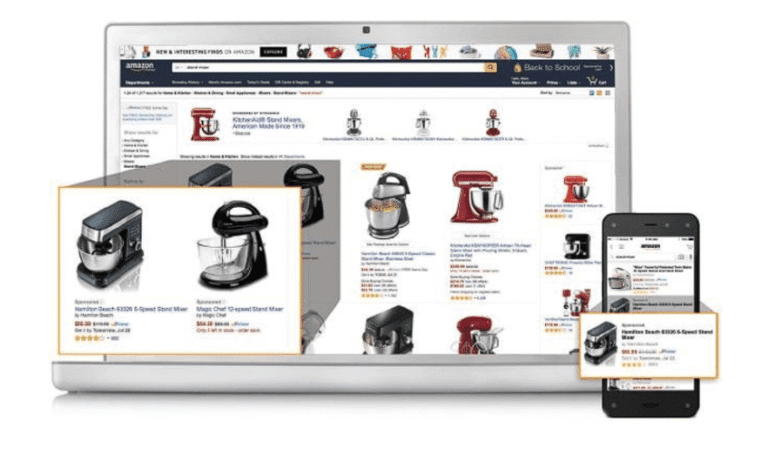
Amazon emphasizes SEO, content accuracy, and compliance. Backend keywords, correct attributes, and enhanced content such as A+ Content can significantly improve visibility and conversions. Even small errors can result in listing suppression.
Flipkart
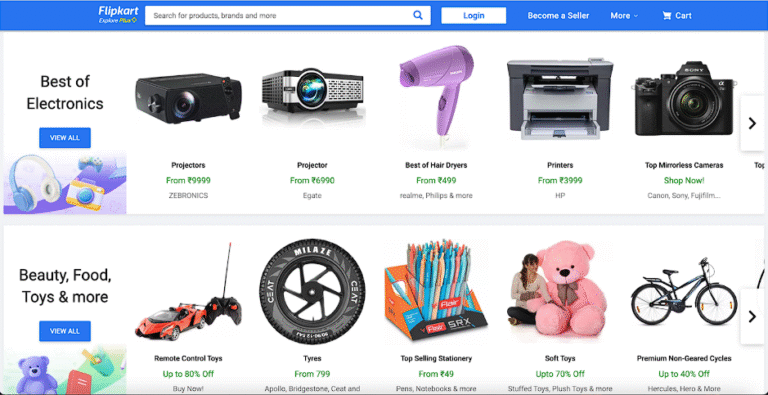
Flipkart prioritizes correct categorization, accurate attributes, and competitive pricing. Image clarity and precise product details play a major role in ranking and buyer trust.
Other Online Marketplaces
Platforms such as Meesho and JioMart are often more price-sensitive but still reward clear content and proper catalog structure. Consistency across listings is especially important when selling on multiple platforms.
Role of Product Listing in Advertising Performance
Product listing quality directly affects paid advertising results. Even the best ad campaign cannot succeed if the product page fails to convert visitors.
Optimized listings:
- Improve conversion rates
- Reduce cost per sale
- Increase return on ad spend (ROAS)
- Enhance ad relevance and performance
This makes product listing optimization essential for both organic and paid growth.
Common Product Listing Mistakes
Many sellers face poor results due to avoidable mistakes:
- Copying the same content across all platforms
- Using low-quality or unclear images
- Selecting incorrect categories or attributes
- Keyword stuffing in titles
- Providing incomplete tax or compliance details
Avoiding these mistakes can immediately improve listing visibility and sales.
Conclusion
Product listing is no longer just a technical requirement — it is a strategic foundation for success on online marketplaces. Platforms reward sellers who provide clear, accurate, and customer-focused information. Whether launching a new product or scaling across multiple marketplaces, investing in professional product listing leads to higher visibility, stronger trust, and consistent sales growth.
In competitive e-commerce environments, the best-presented product always has the advantage.